Fire Alarm System

What It Is: The European standard for fire detection and fire alarm systems, mandatory in the EU and other countries following EU directives. Developed by the European Committee for Standardization (CEN).
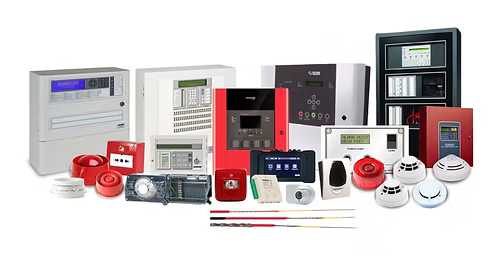
Scope: Covers components like control panels, smoke detectors, heat detectors, manual call points, and notification devices.
- UL (Underwriters Laboratories):
What It Is: An American-based, globally recognized certification organization. UL standards are widely used in the US and internationally.
Scope: Tests and certifies fire alarm components to meet safety requirements.
- FM (Factory Mutual):
What It Is: FM Global, a mutual insurance company, offers certification and testing via FM Approvals, focusing on industrial and high-risk environments.
Scope: Certifies components for performance in fire detection and suppression, with an emphasis on industrial applications.
NFPA 72 provides requirements for the installation, performance, testing, and maintenance of fire alarm systems.
1. Scope:
- Fire Alarm Systems: Design, installation, and testing.
- Emergency Communications: Covers systems like public address and mass notification.
- Detection Technologies: Guidelines for smoke, heat, and carbon monoxide detectors.
2. Key Components:
- Initiating Devices: Detect fires (e.g., smoke detectors, pull stations).
- Notification Appliances: Alert occupants (e.g., horns, strobes).
- Control Panels: Manage system responses.
- Wiring & Power: Specifications for power sources and backups.
3. System Design & Installation:
- Placement: Proper detector positioning.
- Zoning: Requirements for large buildings.
- Interconnection: Rules for residential alarms.
4. Testing & Inspection:
Frequency: Smoke detectors monthly, full system annually.
5. Documentation:
Requirements: Include floor plans, equipment lists, and maintenance records.
6. Maintenance:
Ongoing: Replace batteries, sensors, and components periodically.
7. Emergency Communication Systems:
Scope: Mass notification systems (MNS) for emergencies beyond fire.
8. Compliance & Enforcement:
Jurisdictional Compliance: Enforced through inspections and code checks.